
How to Plan Your Future Home Remodels for Maximum Impact
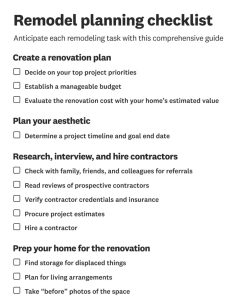 Are you ready to transform your living space but don’t know where to start? Planning a home remodel can feel overwhelming, especially when you consider the financial aspects and the time commitment involved. Statistics show that nearly 80% of homeowners embark on a home renovation journey every year, yet many fail to execute their plans effectively. In this comprehensive guide, we’ll explore how to strategically plan for your future remodels and upgrades, emphasizing the importance of phasing your projects and budgeting wisely to ensure a successful transformation. Let’s dive deep into the steps you can take to create a vision that reflects your dreams while staying within your means.
Understanding the Importance of a Remodel
A home remodel isn’t just about changing the look of your space; it’s about enhancing the quality of your life. Whether you’re upgrading your kitchen for efficiency or transforming your basement into a cozy entertainment area, planning is essential.
Step 1: Define Your Goals
Before diving into any home project, it’s critical to define your goals. Ask yourself:
- What do I want to achieve with this remodel?
- Which areas of my home need the most attention?
- How will these changes impact my daily life?
By establishing clear objectives, you’re one step closer to a successful remodel.
Step 2: Assess Your Property’s Condition
Conduct a thorough assessment of your property. Inspect structural components, plumbing, electrical systems, and more. Understanding the current condition will help you identify necessary repairs and upgrades—essential information when creating your budget.
Step 3: Decide on Phased Remodeling
Rather than tackling multiple projects at once, consider breaking your remodel into phases. This approach allows you to manage costs and minimize disruptions. For example:
- Phase 1: Kitchen and Bathroom Updates – Since these areas greatly affect your daily life, prioritize their remodels for immediate impact.
- Phase 2: Outdoor Spaces – After the interior is complete, consider transforming your deck or yard, enhancing your home’s curb appeal.
This timeline flexibility gives you breathing room while allowing funds to build for future projects.
Step 4: Create a Realistic Budget
One of the most daunting aspects of remodeling is budgeting. Here are some tips for creating a solid financial plan:
- Research Costs: Investigate materials, labor, and project lengths for similar work in your area.
- Set Aside a Contingency Fund: Unexpected costs arise in nearly every remodel; experts recommend reserving about 10-20% of your budget for unforeseen expenses.
- Prioritize: Identify which projects will provide the best return on investment (ROI) and focus on those first.
Step 5: Research Professionals
Working with an experienced general contractor can save you time and headaches. Here’s how to find the right one:
- Reviews and Referrals: Look for online reviews and ask for recommendations from friends or family who have recently completed renovations.
- Interviews: Speak to several contractors to understand their expertise, approach, and timelines.
- Check References: Don’t hesitate to request examples of their previous work and talk to past clients about their experiences.
Step 6: Start Designing Your Space

Once you have a firm plan and budget, it’s time to get creative. Consider:
- Style Trends: Investigate current design trends to see what resonates with you.
- Functionality: Prioritize practicality alongside aesthetics; after all, the goal is to create a usable and pleasant living environment.
- Select Materials: Choose materials not only for their look but also for their durability and maintenance.
Step 7: Execute and Communicate

When you’re ready to move forward, communication is key. Make sure you:
- Outline Expectations: Clearly communicate your vision and budget with your contractor.
- Stay Involved: Frequent check-ins will help ensure everything is on track. Establish a timeline with your contractor for updating you on progress and decisions.
- Adjust Plans as Necessary: Stay flexible and be open to making adjustments along the way—your remodel may evolve as it progresses.
Step 8: Final Walk-Through
Once the work is completed, conduct a final walk-through with your contractor. Look for:
- Quality of Work: Ensure finishes and installations meet your standards.
- Punch List: Identify any necessary touch-ups or corrections; hold your contractor accountable for these before final payment.
So Now What?

By following these steps, you’re on the right path to planning an effective home remodel that enhances your living space and increases the value of your home. Remember, a successful remodel is a product of careful planning, realistic budgeting, and the right team of skilled professionals. If you’re feeling overwhelmed or uncertain about how to start your project, don’t hesitate to seek guidance from experts. Contact us today for a consultation to help you create a plan tailored to your needs.