
Transform Your Space: The Ultimate Guide to Bathroom Remodeling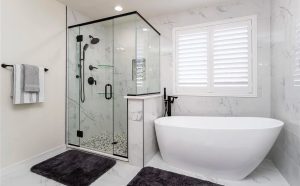
Did you know that renovating your bathroom can increase your home’s value by up to 20%? A bathroom remodel is not just about updating an old space; it’s an investment that can transform your daily routine and enhance your home’s appeal. In this comprehensive guide, we will explore the intricacies of bathroom remodeling, providing you with essential insights, cost considerations, design trends, and tips to achieve your dream bathroom. Prepare to dive into a world of creativity that will help you keep your home current and bring added value to your living space.
Understanding the Importance of Bathroom Remodeling
Bathroom remodeling has gained traction among homeowners for various reasons. Beyond aesthetic appeal, a well-executed bathroom renovation can enhance functionality, improve energy efficiency, and provide a spa-like retreat in your home. Importance is paramount in today’s housing market, where potential buyers often prioritize modern bathrooms with updated fixtures and layouts over other aspects of the home.
Enhancing Value and Attractiveness
When considering a bathroom remodel, homeowners frequently look at return on investment (ROI). According to the National Association of Realtors, bathroom remodels can yield a return of up to 70%, making the remodel an attractive option for those planning to sell their homes in the future. Whether it’s a simple update with new fixtures or a complete overhaul, every upgrade contributes to the overall value of your property.
Addressing Functional Needs
Bathrooms are essential spaces that require efficiency and convenience. An outdated layout can often lead to cramped spaces and inefficient workflows. A remodel allows you to reconfigure your bathroom to better suit your family’s needs, such as adding additional storage, moving fixtures around for more space, or even including accessible features for multi-generational living.
Planning Your Bathroom Remodel
Effective planning is the cornerstone of any successful remodel. Here’s a breakdown of steps to consider:
1. Define Your Goals
Begin by articulating your objectives. Are you looking for improved function, a fresh aesthetic, or increased home value? Having clear goals will shape every decision moving forward.
2. Establish a Budget
Set a realistic budget that accounts for both expected and unexpected expenses. Remember to include the cost of materials, labor, permits, and any additional features you want to be included. Comparing quotes from multiple contractors can also help you manage your budget effectively.
3. Choose a Style
Decide on the style that resonates with your vision—rustic, modern, minimalist, or eclectic. This choice will inform elements like color schemes, materials, and fixtures.
4. Select Fixtures and Materials
Choose high-quality fixtures and materials that not only align with your style but also stand up to daily use. For instance, porcelain tiles, solid wood cabinets, and premium faucets can elevate the look and feel of your bathroom.
5. Hire Professionals
While some homeowners opt for DIY projects, hiring professionals can save you time and reduce the risk of costly mistakes. General contractors, plumbers, electricians, and interior designers can provide invaluable expertise.
Design Trends in Bathroom Remodeling
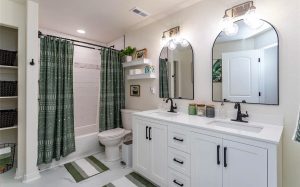
In keeping your home current, you should be aware of the latest design trends that are making waves in bathroom aesthetics. Here are some to consider:
1. Spa-Like Features
More homeowners are looking to create a tranquil oasis within their bathrooms by incorporating features like soaking tubs, rain showerheads, and serene color palettes.
2. Smart Technology
Smart technology is becoming increasingly popular in bathroom renovations. Innovations like smart mirrors, automatic faucets, and heated flooring can enhance comfort and efficiency.
3. Bold Colors and Patterns
Moving away from the traditional all-white look, bold colors and patterned tiles are making statements. Incorporating accent walls or vibrant tiles can add character to the space.
4. Sustainable Choices
Eco-friendly materials and fixtures contribute to water conservation, energy savings, and a lower carbon footprint. Consider low-flow toilets, energy-efficient lighting, and sustainably sourced materials.
Common Mistakes to Avoid
Navigating a bathroom remodel can be tricky. Here are common pitfalls to avoid:
Ignoring the Budget
Stick to your budget as closely as possible to prevent overspending. Always keep a contingency fund for unexpected expenses.
Skipping the Planning Phase
Rushing into decisions without proper planning compromises your goals. Take time for research and ensure every element aligns with your vision.
Underestimating the Importance of Lighting
The right lighting can significantly affect the feel and function of your bathroom. Combining ambient, task, and accent lighting can create a balanced atmosphere.
Overcrowding the Space
Choose fixtures and furniture that are proportional to your bathroom size. A cramped space can diminish functionality and comfort.
DIY vs. Hiring Professionals
One critical decision is whether to undertake the remodel yourself or hire professionals. Each option has its pros and cons:
Do-It-Yourself (DIY)
Pros:
- Cost saving on labor
- Creative control over design
Cons:
- Risk of mistakes leading to additional costs
- Requires time and effort
Hiring Professionals
Pros:
- Expertise and industry knowledge
- Quicker turnaround times
Cons:
- Higher costs compared to DIY
Navigating the Renovation Process
Once the plans are in place, the remodeling process can begin. Here is what to expect:
1. Demolition and Preparation
The initial phase often involves stripping the old bathroom down to its bones, which can be messy. Proper preparation saves time and hassle in the long run.
2. Rough Construction
Plumbing, electrical, and structural work should be completed first. It’s essential to ensure everything is up to code before enclosing any walls.
3. Interior Finishing
This stage includes installing flooring, cabinets, countertops, and fixtures. Make your design choices clear to avoid any miscommunication.
4. Final Inspection
After installation, an inspection ensures everything works correctly and meets the agreed-upon standards. Adjustments can be made at this stage.
Tips for Maximizing Your Bathroom Space

Maximizing bathroom space can be essential, especially in smaller homes:
- Opt for floating vanities to create an illusion of more space.
- Utilize vertical storage like shelves and cabinets.
- Choose clear glass shower doors to make the space feel larger.
- Use mirrors strategically to reflect light and visually expand the area.
Conclusion: What Changes Can You Make at Home?
Transforming a bathroom can offer incredible benefits that go beyond aesthetics. From enhancing functionality to adding significant value to your home, a well-planned remodel is worth the effort. Remember to prioritize your goals, keep track of your budget, and choose quality materials and finishes.
If you’re ready to explore your renovation options, get an estimate today at . With creativity and planning, you can create a bathroom that becomes a refreshing sanctuary in your home. Remember, the journey of remodeling begins with a single decision to transform your space. Start envisioning the bathroom of your dreams today!