
Transform Your Basement Into a Dream Space: A Complete Guide
Did you know that unfinished basements can represent up to 30% of your home’s total area? Imagine transforming that neglected space into a stylish and functional area that adds value to your home. Finishing your basement is not just about improving aesthetics; it’s about maximizing your living space and increasing your home’s value—financially and personally. In this post, we’ll explore the essential steps, elements to consider, and how a licensed general contractor can help make your basement finish a success. Get ready to unlock the full potential of your home!
Why Finish Your Basement?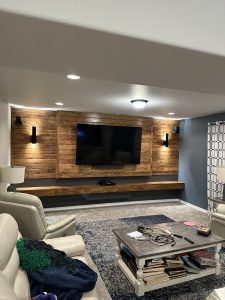
Finishing your basement can dramatically change your home. Here are some compelling reasons:
- Increased Living Space: Unfinished basements often go unused, but transforming them can provide valuable square footage. This additional space can serve as a playroom, home theater, gym, or even an extra bedroom. The possibilities are endless!
- Increase Home Value: Real estate experts agree that finished basements can increase your home’s resale value significantly. Potential buyers are often attracted to homes with usable, finished spaces, so it can yield a significant return on investment.
- Cost-Effective Expansion: Compared to traditional home additions, finishing a basement is generally more cost-effective since you’re utilizing existing space and infrastructure.
- Personalization and Comfort: The basement can be designed to fit your style and needs, creating a space that reflects your personality. Whether you want a cozy movie night area or a vibrant game room, your vision can come to life with the right design.
Key Considerations Before Starting Your Project
Before diving into a basement finishing project, here are some vital considerations:
- Local Building Codes and Regulations: Permitting is a crucial first step. Each region has specific codes regarding basement use, ceiling heights, window egresses and safety standards. Always check local regulations to avoid complications during inspections or when reselling the property.
- Budgeting: Assess your budget for the entire project. Remember to include costs for materials, labor, permits, and unforeseen expenses. It’s wise to set aside a contingency fund of at least 10-20% for unexpected expenses.
- Design and Layout: Before you start constructing, visualize how you want the space to function. Consider the different uses of the space and how best to utilize the dimensions. Hiring a designer or architect can be beneficial for transforming those ideas into a solid plan.
Working With a Licensed General Contractor

Working with a licensed general contractor can streamline your project and ensure high-quality results. Here’s why it’s critical:
- Expertise: A general contractor has the experience to navigate the complexities of home renovations. They can provide insights you may not have considered and help you avoid common pitfalls.
- Project Management: They handle everything from managing timelines and subcontractors to ensuring that materials are ordered and delivered on time. This saves you the stress of coordinating these elements yourself.
- Tools and Resources: Contractors have access to tools and materials that you may not be able to source yourself. They can often procure items at wholesale prices, which can lead to significant savings.
- Professional Quality Assurance: General contractors ensure the work is done according to the design plan and adheres to code requirements. Their expertise will likely lead to a higher quality finish than if you were to take on the project solo.
Design Ideas to Inspire Your Basement Finish
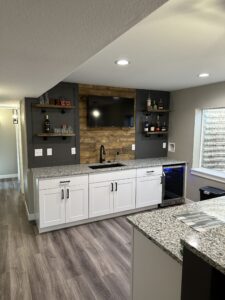
Let’s delve into some creative possibilities for your finished basement:
- Home Theater: Create the ultimate movie-watching experience with a sound system, comfortable seating, and dimmable lighting. Use soundproofing materials for an immersive viewing experience!
- Game Room: Design a fun space with pool tables, arcade games, or even a mini-bar. Incorporate comfy seating and vibrant colors to make it lively!
- In-Law Suite: Transform part of your basement into a mini apartment for guests or family members. Include a small kitchenette and bathroom for added convenience.
- Home Office: With remote work becoming more prevalent, consider transforming your basement into a focused workspace. Brighten up the area with good lighting and ergonomic office furniture.
- Gym or Fitness Space: Turn your basement into a personal gym with equipment like weights, yoga mats, or resistance machines. Incorporate mirrors for ample light and versatility.
- Children’s Play Area: A soft floor covering, plenty of storage for toys, and brightly colored walls can make a delightful play area for children, keeping the mess contained and the main living spaces tidy.
Final Steps in the Finishing Process
The finishing process generally includes the following steps:
- Framing and Insulation: After plans are in place, the contractor will frame walls, ensuring the floors and ceilings are insulated to keep the basement temperature comfortable year-round.
- Electrical and Plumbing: This includes the installation of electrical wiring, outlets, and various plumbing needs if a wet bar, restroom, or other plumbing features are part of your plans.
- Drywall Installation: Once the frameworks are ready, drywall is installed. Ensure each piece fits snugly for the easiest painting and finishing later on.
- Flooring and Painting: When the walls are set, it’s time to choose your flooring type. Options vary widely in durability and aesthetics, so choose what fits your vision best. Follow this by applying fresh coats of paint to bring your design together.
- Final Touches: This is where you can really show off your personal touch! This might include furniture placement, decor, and even additional installations like lighting fixtures and shelving.
Maintaining Your Finished Basement
Finishing your basement is an investment that can yield significant returns over time. However, the key to preserving its value lies in maintaining it:
- Regular Inspections: Periodically check for water damage, mold, and general wear and tear that can occur over time.
- Ventilation: Ensure proper airflow circulation to prevent stale air and mold growth. Consider using fans or installing vents if necessary.
- Cleaning: Regular cleaning keeps the space welcoming. If tile floors are present, consider re-grouting and sealing it periodically to maintain its integrity.
So Now What?
In summary, finishing your basement can transform your home in numerous ways. It turns wasted space into valuable living areas while enhancing functionality and improving resale value. By working with a licensed general contractor, you ensure a smooth process that brings your vision to life with expertise and efficiency. Now, you’re armed with the knowledge to embark on your own basement transformation.
Let’s recap the key points:
- Assess your unfinished basement’s potential and what you envision.
- Consult local building codes and regulations.
- Budget for the entire project, including contingencies.
- Engage a licensed general contractor for guidance and project management.
- Explore design options that excite you and increase functionality.
- Invest in ongoing maintenance for lasting value and comfort.
If you’re ready to transform your basement into a wonderful space, contact us for a free estimate today, or let us help you brainstorm ideas for the finishing phases! Get inspired, gather ideas, and take action!
Remember that transforming your basement isn’t just about aesthetics; it’s about enhancing your lifestyle and turning your house into the home of your dreams!